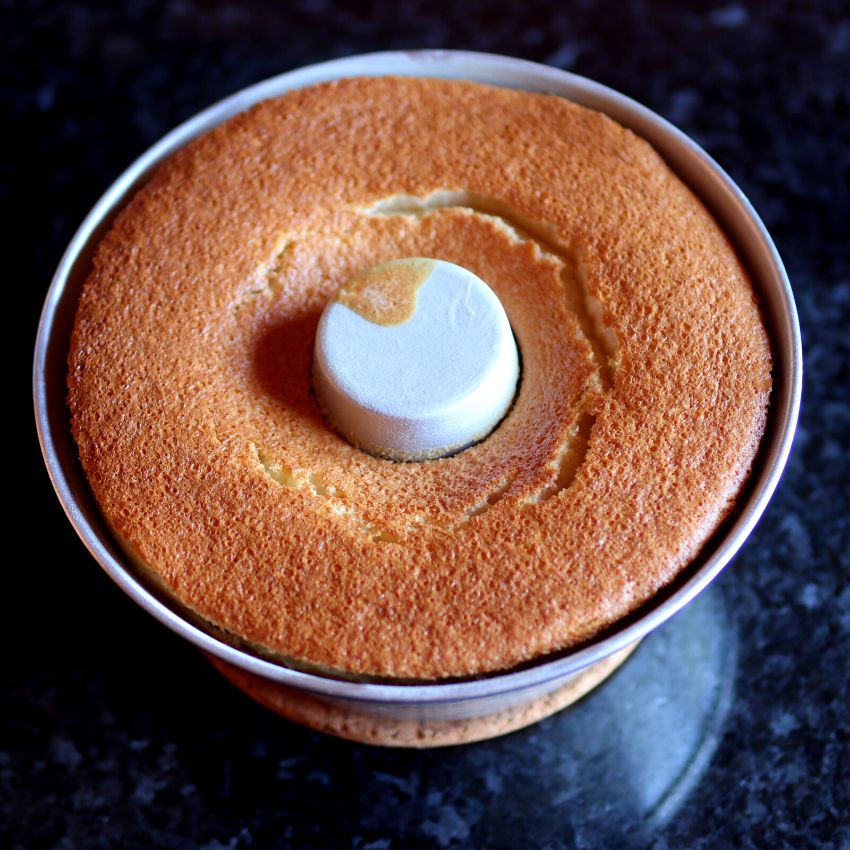









Hello dear friends!
Today I will prepare for you a traditional sponge cake recipe.
Because this is the basis for making many delicious cakes, and traditional sponge cake is very easy and quick to make.
Let's get started

Traditional sponge cake recipe
A traditional sponge cake is a type of cake made with flour, sugar, eggs and butter. It's a very light and fluffy cake that has a lot of air.
Sponge cakes are usually served with a fruit or cream filling, but they can also be served plain. Sponge cakes are one of the most popular types of cake in the world and are often used for special occasions such as birthdays and weddings.
The traditional sponge cake recipe is very easy to make and only takes a few minutes to prepare. The ingredients for this cake are very simple and you probably already have them all in your kitchen.
This cake is also very versatile and you can add any kind of filling you like. Sponge cakes are usually served with a fruit or cream filling, but they can also be served plain.
Preparing Traditional Sponge Cake
Before we start, we'll need the following ingredients:
- 180 g unleavened wheat flour (sifted)
- 180 g white sugar (sifted)
- 6 whole eggs
- 1 teaspoon vanilla essence or extract (OPTIONAL)
- 20 cm diameter x 10 cm high mold
- 1 disk of baking paper for the bottom of the pan
In first place, turn the oven to 180 degrees.
Second, Now beat the eggs with a mixer on low speed for about a minute. If you want to beat them by hand, do it for 4 to 5 minutes.
Third, increase the speed and beat for 5 minutes. If you prefer to beat by hand, beat for at least another ten minutes.

Fourth, with the mixer running, gradually add the sugar and beat for 8 to 10 minutes. When the dough is fluffy, turn off the mixer.

Fifth, Gradually add the wheat flour, mixing well so that the flour is well coated until it becomes a homogeneous dough.

Sixth, Pour the batter into the pan with the bottom lined with baking paper without having to grease the sides of the pan.

Seventh, Bake at 180ºC for 40 minutes, then test the toothpick to see if it's done.

Eighth, when it's ready, turn it off and let it cool in the oven. When cool, remove from the oven and unmold.

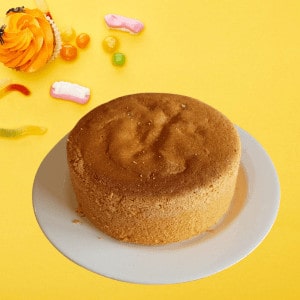
Traditional Sponge Bread
Ingredients
- 180 g sifted unleavened wheat flour
- 180 g sifted white sugar
- 6 whole eggs
- 1 spoon (tea) tea of vanilla essence or extract (OPTIONAL)
- 1 20 cm diameter x 10 cm high mold
- 1 parchment paper disc for pan background
Step-by-step instructions
- Preheat the oven to 180º C
- Beat the whole eggs in the mixer on low speed for 1 min.
- Then increase the speed and beat for more 5 min.
- While the mixer is still running, add the sugar in spoonfuls, the teaspoon of vanilla essence and let it beat for a little longer. 8 to 10 min.
- When it's fluffy, turn off the mixer.
- Gradually add the sifted flour by hand.
- Mix well with the help of a fuêt to involve all the wheat flour until a very homogeneous mass.
- Place the dough in the pan with parchment paper, it will not be necessary to grease the sides of the pan.
- Bake in a preheated oven at 180º C for 40 minutes. and test with a toothpick to see if the sponge cake is fully baked.
- When you do the toothpick test and it comes out clean, the sponge cake is done.
- Let it cool completely inside the oven, so it doesn't go down.
video recipe
Nutrition
Note: This information is provided as a courtesy and is an estimate only. This information comes from online calculators. Although Cozinhadave.com tries to provide accurate nutritional information, these figures are only estimates.
If you try this recipe, leave a comment below, letting me know how you like it!
And if you make any changes, I'd love to hear about that too. We can all benefit from your experience!

Verônica Ribeiro, the creative mind behind “Cozinha da Vê”, is passionate about flavors and aromas and transforms her passion for cooking into irresistible recipes. With a unique ability to combine ingredients and a special touch of affection in each dish, she conquers hearts and palates, making cooking a truly delicious experience on her blog.