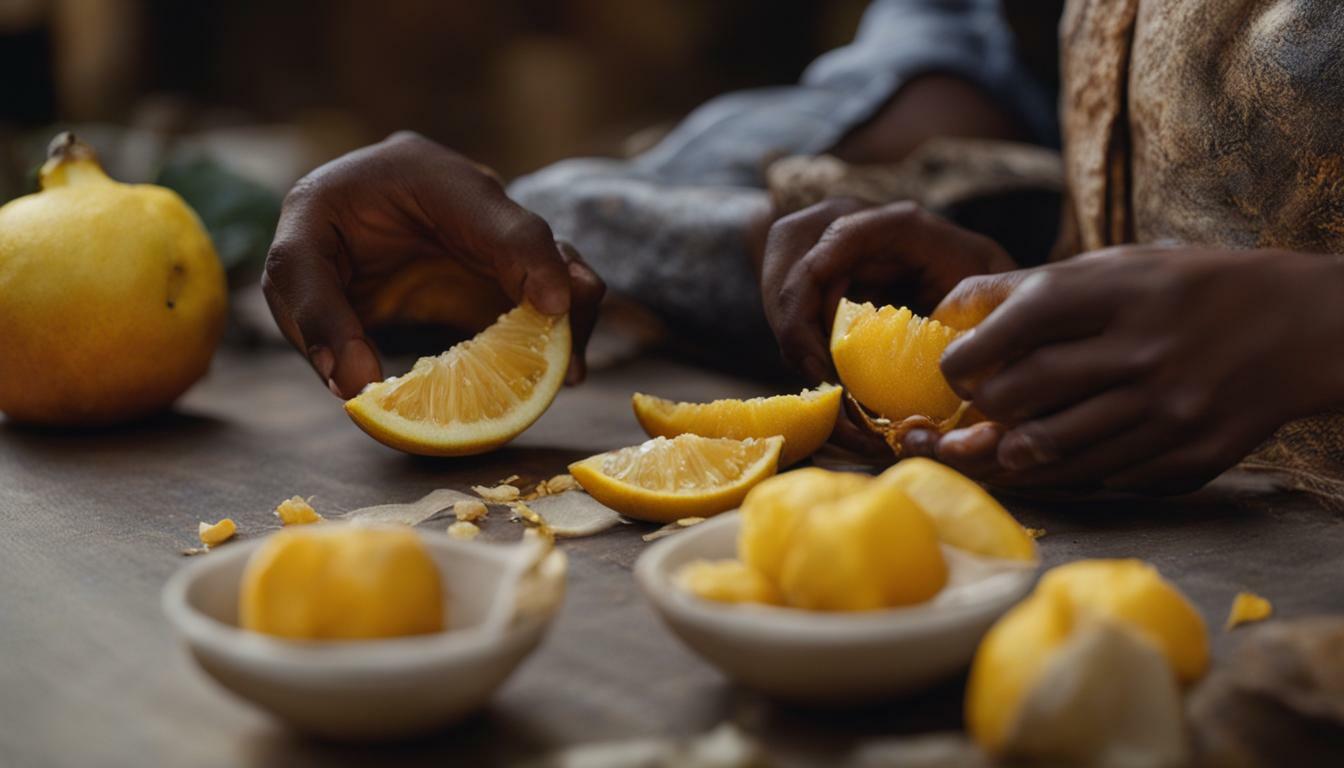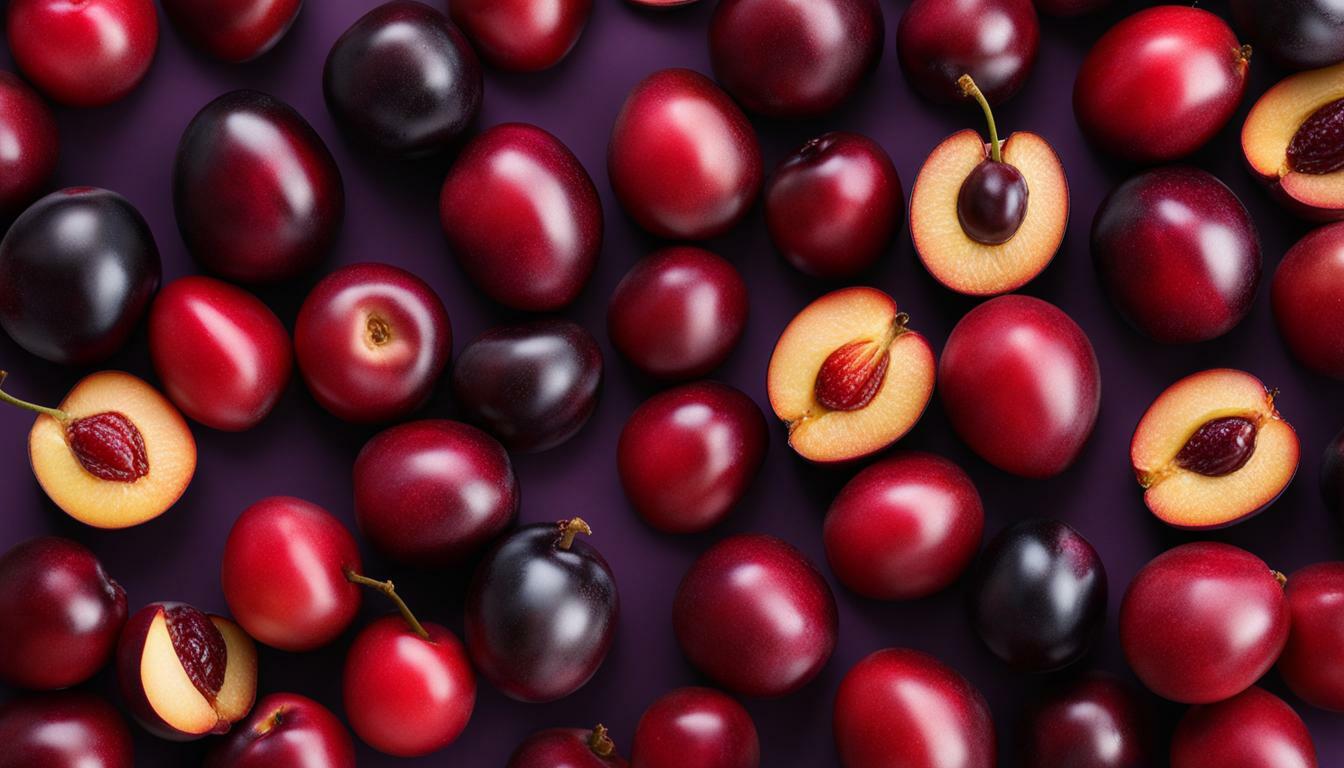









Do you know the difference between raisins and prunes? If your answer is no, don't worry, because we're here to help you better understand these two popular fruits. Despite being used in many recipes, many people still confuse the characteristics and nutritional properties of raisins and of the pruneWe'll explain everything here!

What is the difference between raisins and prunes?
- The raisins and the prune They are two different fruits, with distinct characteristics and flavors.
- The raisins is obtained from fresh grapes, while the prune It is produced from fresh plums.
- Raisins are rich in vitamins and antioxidants, while dried plums are a great source of fiber and potassium.
- Both fruits are widely used in cooking, in both sweet and savory dishes.
- For a healthy and balanced diet, it is important to know the properties and benefits of each of these fruits and vary your consumption between them.
What is a raisin?
Have you ever wondered what a raisin is? This dry, wrinkled fruit is actually a grape that has been dehydrated. During this process, the water is removed from the fruit and the result is a grape that is smaller, sweeter and more concentrated in nutrients.
Raisins can be obtained by dehydrating different types of grapes, such as white, black and red. They are commonly found in supermarkets and are used in various culinary recipes, from sweet to savory dishes.
In addition to their unique flavor, raisins also offer several health benefits. They are rich in natural sugars, fiber, vitamins, and minerals such as iron, potassium, and calcium. These nutrients can help improve digestion, regulate blood sugar levels, and strengthen bones.
Here are some of the main ones benefits of raisins:
- Improves digestion: the fibers present in raisins help regulate intestinal transit and prevent problems such as constipation;
- Controls blood sugar: The high fiber content of raisins helps prevent blood sugar spikes, which can be beneficial for people with diabetes;
- Strengthens the immune system: raisins are rich in antioxidants, which help protect our body's cells from damage caused by free radicals;
- Maintains bone health: The calcium present in raisins is essential for healthy bones and teeth.
Raisins can be eaten plain as a healthy snack or added to sweet and savory recipes to give them a special touch. Try adding them to salads, cakes, breads, and even meat or chicken dishes.

Now that we’ve explained what raisins are, it’s time to talk about another fruit that is often confused with them: prunes. Despite their similarities, these fruits have significant differences and deserve to be learned in more detail.
Like raisins, dried plums are also obtained from fresh fruit. They are harvested at the peak of their ripeness and then subjected to a drying process to remove their water content.
This drying process is usually done in the sun or in special ovens, and the result is a plum with a softer, sweeter texture than fresh fruit. Dried plums can be found in different sizes and shades, ranging from light brown to black.
| Benefits of dried plums: | Properties of dried plums: |
|---|---|
|
|
Dried plums are a great choice for those looking for a healthy snack or to add a sweet touch to their meals. They can also be used in a variety of recipes, such as cakes, pies and even savory dishes.

Now that we know the difference between raisins and prunes, let's explore the main ones characteristics of raisins. This dried, wrinkled fruit has a sweet, caramelized flavor and a soft, sticky texture that makes it perfect for adding to panettone recipes, cakes, and even salads.
Another feature of the raisins is its color, which can vary from light to dark brown. This is due to the drying process, which can be done in the sun or in special ovens. In addition, raisins are a great source of antioxidants, fiber and potassium, which help to strengthen the immune system and reduce the risk of cardiovascular diseases.
| Characteristics of Raisins | |
|---|---|
| Flavor | Sweet and caramelized |
| Texture | Soft and sticky |
| Color | Light to dark brown |
| Nutritional properties | Antioxidants, fiber and potassium |
If you haven't yet discovered the wonders of raisins, try adding them to your favorite recipes and discover a world of flavors and health benefits. And don't forget to check out the characteristics of dried plum in the next section!

Now that we've explained the differences between raisins and prunes, let's delve deeper into the characteristics of the latter fruit. Prunes have a softer, juicier texture than raisins, with a sweeter, slightly acidic flavor.
Their color varies between shades of purple, brown and black, depending on the variety of fruit and the drying process. Darker plums tend to have a more intense flavor than lighter ones.
Another feature of the prune is its versatility in the kitchen. It can be used in both sweet recipes, such as cakes and pies, and savory ones, as an accompaniment to meats and cheeses.

In addition, dried plums are a great source of fiber, which helps regulate bowel function and keep you feeling full for longer. They are also rich in vitamins C and K, as well as minerals such as potassium and iron.
Due to its nutritional and tasty characteristics, dried plums are an excellent option to include in your diet in a healthy and tasty way.
Benefits of raisins
Ah, the wonders of raisins! There’s no denying that they’re delicious in many dishes, but they also have many health benefits!
Raisins are packed with antioxidants, which help fight oxidative stress in the body. They’re also high in fiber, which helps keep your digestive system functioning properly. And if you’re worried about your bones, raisins are packed with calcium, which helps strengthen them.
And that’s not all – raisins also contain polyphenols, which have anti-inflammatory effects and help regulate blood sugar levels. All this in such a small and tasty fruit!
We love using raisins in salads, breads, cakes and even savory dishes, like roast beef. And with all these benefits, why not include them in your daily diet?

In this section, we will show you all the benefits of dried plum for your health. In addition to its delicious and irresistible flavor, dried plums are known for their many nutrients that help keep our bodies functioning properly.
One of the main advantages of dried plums is the presence of fiber in their composition. They help improve intestinal transit, preventing problems such as constipation and other discomforts. In addition, fiber also helps reduce bad cholesterol in the blood, preventing cardiovascular diseases.
Prunes also contain important vitamins and minerals, such as vitamin A, vitamin K, iron, calcium and potassium. These nutrients help to strengthen the immune system, maintain bone health and regulate the heartbeat.
And that’s not all! Dried plums are also rich in antioxidants, such as flavonoids. These substances help combat premature aging and prevent diseases such as cancer.
Finally, the benefits of dried plum They also include the possibility of helping with weight loss. This is because the fibers present in the fruit give the feeling of satiety for longer, reducing the desire to overeat.

With all these benefits, it’s easy to understand why dried plums are a great option to include in your daily diet. Take advantage and try this delicious fruit in different recipes, such as cakes, pies, yogurts and salads.
Culinary uses of raisins and prunes
Now that we know the differences and benefits of raisins and dried plums, how about we discover some culinary uses of these versatile fruits?
To begin with, both raisins and prunes can be used in a variety of cake, pie and bread recipes. They give doughs a sweet flavor and an incredible texture.
Another delicious option is to add them to salads, giving the dish a sweet and sour touch. They can also be used as a side dish for cheeses and pâtés, providing an interesting contrast of flavors.
In oriental cuisine, dried plums are highly appreciated and are used in both sweet and savory dishes. One of the most common ways is as a filling for onigiri, a typical Japanese rice ball.
Raisins are also widely used in Arabic cuisine, as an ingredient in the famous rice and lentils dish, mujaddara. They are also an excellent addition to meat dishes, such as the traditional ground beef roulade.
And for dessert lovers, the possibilities are endless! Both raisins and dried plums can be used in recipes for mousses, trifles, sweets and preserves.

With these usage ideas, there’s no more excuse for not including these delicious fruits in your daily diet, right?
Conclusion
Phew, we’ve reached the end! We hope you’ve learned a lot about the differences between raisins and prunes and how they can be beneficial to your health.
You've probably heard of these fruits before, but now you know that they are not the same. Raisins are obtained from fresh grapes, while prunes come from plums. In addition, they have different characteristics that can influence their uses in culinary recipes.
We cannot fail to highlight the nutritional benefits of these fruits. Raisins are rich in antioxidants, which help prevent premature aging and the development of chronic diseases. Dried plums, in turn, are an excellent source of fiber, which helps regulate intestinal transit.
And, to conclude, we couldn't fail to talk about the culinary uses of raisins and dried plums. They are so versatile that they can be used in sweet and savory dishes, such as salads, cakes, pies, meats and much more. If you haven't tried them yet, you are missing out on a delicious opportunity to add more flavor and health to your meals.
We hope this article has been helpful to you and has sparked your curiosity about healthy cooking. Stay tuned to our website for more tips and recipes!

Common questions
What is the difference between raisins and prunes?
Raisins are made from fresh grapes, which are dehydrated naturally or with the help of heat. Dried plums are made from fresh plums, which also undergo a drying process. Although both are dried fruits, they have distinct characteristics, flavors and textures.
How are raisins obtained?
Raisins are made from fresh grapes that are dried. The grapes are harvested and left in the sun or greenhouses to lose most of their moisture. This drying process will concentrate the flavor and nutrients of the grape, resulting in a delicious and nutrient-rich raisin.
What is dried plum?
Dried plums are obtained from fresh plums, which undergo a drying process after harvesting. The plums are dehydrated naturally or with the help of heat, resulting in a dried plum with a lower water content and a softer texture. It has a sweet and intense flavor.
What are the main characteristics of raisins?
Raisins have a sweet flavor and a soft, juicy texture. They are small and have a color that varies from brown to dark brown. Their sweetness is more intense than that of fresh grapes, which makes them a widely used ingredient in sweet and savory preparations, such as cakes, breads, salads and meat dishes.
What are the main characteristics of dried plums?
Dried plums have a sweet flavor and a soft texture that is slightly more fibrous than raisins. They range in color from light brown to dark brown. Dried plums are often used in sweets, jams, and jellies, and can also be eaten alone as a healthy and tasty snack.
What are the benefits of raisins?
Raisins are an excellent source of energy due to their high natural sugar content. They are also rich in fiber, vitamins and minerals, such as iron, potassium and magnesium. They also contain antioxidants that help fight free radicals and protect the body's cells.
What are the benefits of dried plums?
Dried plums are rich in fiber, which helps regulate bowel function and promote a feeling of fullness. They are also a source of vitamins and minerals, such as vitamin A, vitamin K, potassium and iron. In addition, they have antioxidant properties that help fight free radicals.
How can I use raisins and dried plums in cooking?
Both raisins and prunes can be used in a variety of ways in cooking. They are great for adding to cakes, breads, cookies, salads, meat dishes and even as fillings for sweets. They can also be eaten plain as a healthy and tasty snack.

Verônica Ribeiro, the creative mind behind “Cozinha da Vê”, is passionate about flavors and aromas and transforms her passion for cooking into irresistible recipes. With a unique ability to combine ingredients and a special touch of affection in each dish, she conquers hearts and palates, making cooking a truly delicious experience on her blog.