








Hello, fellow foodies! Welcome to another article on cooking. Today we're going to talk about a very popular topic in the kitchen: cooking with wine. Whether you're an experienced cook or an amateur, you've probably come across a recipe that uses wine.

Can Cooking with Wine Really Remove Alcohol?
But does cooking with wine really remove the alcohol? That's a question many people ask and we're going to answer it properly in this article.
I can tell you right now that the answer is not as simple as it seems. There are some myths and truths on the subject that we need to clarify before we can reach a conclusion.
So stay tuned and read on to find out everything you need to know about cooking with wine.
Main Conclusions
- Cooking with wine is very common in Brazilian cuisine;
- Not every recipe with wine loses all its alcohol during the cooking process;
- Wine can bring many benefits to a dish, in addition to flavor and aroma;
- There are alternatives to wine for those who prefer to avoid alcohol in their cooking.
Wine in Cooking: A Brazilian Tradition
As someone who loves wine and food, I'm pleased to share with you a little about the tradition of using wine in Brazilian cuisine. Since colonial times, wine has been used in cooking to add flavor, aroma and even for medicinal purposes. Nowadays, it is a common practice in many traditional Brazilian dishes.
One popular dish that uses wine is the traditional Coq au Vin. Although the original recipe is French, Brazilians have added their own personal touch to the dish, using local ingredients such as spring onions and tomatoes. Red wine is a key ingredient in this recipe and is used to marinate the chicken for several hours, resulting in an incredibly tasty dish.
Wine is also used in dishes such as the famous red wine risotto, wine sauce for grilled meats and white wine fish stew. The list is endless!
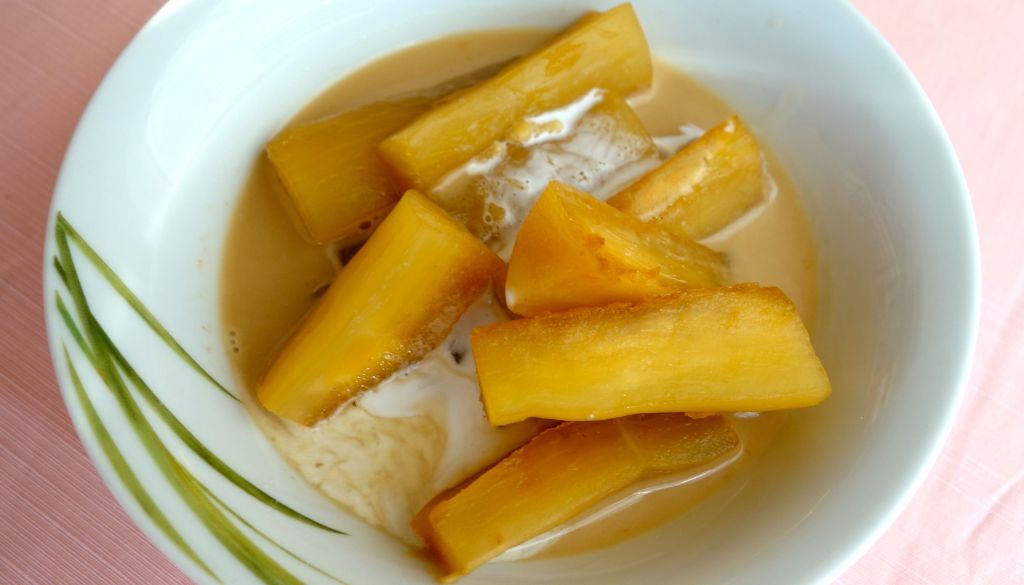
Brazilians also have a habit of adding wine to desserts. Sagu de vinho is a classic in many Brazilian homes and is usually made with red wine, sugar, cinnamon and cloves. The end result is a sweet and savory dessert that can be served hot or cold.
In addition, many Brazilian wineries are starting to produce high-quality wine vinegar, which can be used in salads, marinades and sauces. It's a great way to support the local wine industry and elevate the taste of your dishes.

"For me, the combination of wine and food is perfection. It's a natural combination that involves all the senses and takes the gastronomic experience to another level."
That's a quote from me, because, well, who else could be so eloquent in praising this delicious combination?
Although the use of wine in cooking has been popularized all over the world, the Brazilian tradition of cooking with wine is unique in its approach and taste. Wine is a versatile ingredient that can be used to enhance the flavor of both savory and sweet dishes. Whether you're making a stew, a marinade or a richly flavored dessert, wine can be the perfect finishing touch.
But is it true that cooking with wine completely removes the alcohol? Let's find out in the next section!
The Myth of Total Alcohol Removal
When I learned to cook with wine, I always heard that all alcohol evaporates during cooking. But after some research, I discovered that this is just a myth.
According to a study carried out by the US Department of Agriculture, only around 5% of the alcohol is eliminated after 1 hour of cooking. After 2 hours, the level of alcohol remaining is still around 40%. And even after 3 hours of cooking, there is still around 25% of alcohol left.
Therefore, if you are concerned about consuming alcohol, it is important to be aware that it is not completely removed when cooking with wine. However, it's also important to note that the amounts of alcohol that remain in food are generally very low.
So if you're wondering whether you can serve a meal with wine to children or those who don't consume alcohol, it's best to opt for a recipe without alcohol or at least with a very small amount of wine.

"If you're wondering whether you can serve a meal with wine to children or those who don't consume alcohol, it's best to opt for a recipe without alcohol or at least with a very small amount of wine."
The Truth About Removing Alcohol When Cooking
When it comes to cooking with wine, there is a lot of misinformation out there. Many people believe that by letting the wine boil for a few minutes, all the alcohol will evaporate. But is that really how it works?
Well, let's get to the facts. According to studies, after one hour of cooking, only about 25% of the alcohol initially present in a dish is removed. After two hours, around 50% is removed. And after three hours, around 75% is removed.
That said, it's important to remember that even after three hours of cooking, there is still alcohol left in the dish. So if you're avoiding alcohol for any reason, it's best to avoid dishes that contain wine in their recipe.
It's also important to remember that the amount of alcohol removed can vary depending on how the dish is cooked. For example, if a dish is cooked over a high heat, the alcohol evaporates more quickly than if the dish is cooked over a low heat.
Another myth related to removing alcohol when cooking is that alcoholic desserts, such as tiramisuThey don't contain alcohol because they are cooked. But in fact, even after cooking, the remaining alcohol can still be enough to cause intoxicating effects in sensitive people.
So what do you do if you really want to cook with wine but need to avoid alcohol? Fortunately, there are some alternatives. You can replace the wine with meat stock, chicken stock or vegetable stock, depending on the dish you're preparing. You can also use grape juice or vinegar as substitutes.
Overall, if you are concerned about the alcohol content in your food, it is important to be aware that alcohol is not completely removed during cooking. However, if you have no restrictions, enjoy the benefits of wine in cooking and experiment with new recipes.

Benefits of Wine in Cooking
As well as bringing a delicious flavor to dishes, wine in cooking can also bring some health benefits.
One of the main benefits is that, when cooked, the alcohol evaporates, leaving only the flavor and nutrients of the wine. This makes wine a healthier seasoning option than other ingredients high in fat and salt.
Another benefit of wine is that it contains antioxidants, substances that help fight the premature ageing of cells. These antioxidants are mainly present in red wine, which is why it is recommended to use it when preparing dishes.
Wine can also help reduce cholesterol, as it contains polyphenols, substances responsible for preventing the accumulation of fats in the arteries.
And it doesn't stop there: wine can also be used as a substitute for salt, adding a special touch to dishes without increasing the amount of sodium.
However, it is important to remember that excessive alcohol consumption can be harmful to your health, which is why it is recommended to use wine in moderation when cooking.
So, if you want to innovate in your recipes and still bring health benefits, don't hesitate to include wine in your dishes!

Wine in Cooking: Tips and Recommendations
Many people believe that cooking using wine is difficult and risky, but it's actually a very common practice in many cuisines around the world, including in Brazil. With a few tips and recommendations, you can use this drink safely and tastily in your dishes.
Before you start, it's important to bear in mind that the choice of wine is fundamental to the success of the dish. In general, red wines are more suitable for meat, while white wines go better with fish, seafood and poultry. Fortified wines, such as Port or Jerez, are ideal for desserts.
Another important point is the amount of wine used. After all, the aim is not to intoxicate the guests, but to add flavor to the dish. A good measure is about 1/2 cup of wine for every 4 portions of food. And remember: some of the alcohol remains even after cooking, so you need to keep in mind the audience you will be serving.
It's also important not to let the wine boil for too long, as this can alter its flavor. The ideal is to add it little by little, letting it reduce gradually. And if the dish includes other liquids, such as water or broth, you should reduce the amount of wine used.
For those looking for a milder flavor, a good tip is to use younger, lighter wines. For more robust dishes, aged and full-bodied wines are ideal. And if you don't want to make a mistake, opt for good quality wines, which tend to have more complex flavors and aromas.
Wine can also be used in marinades to add flavor and tenderness to meat. Simply mix the wine with spices and leave the meat to marinate for a few hours before cooking.
And to finish on a high note, an excellent option is to use wine in the preparation of desserts. From a classic tiramisu to a tasty red fruit sauce, wine adds a special touch to any sweet.
Cozinhar com vinho pode parecer intimidante a princípio, mas com essas dicas e recomendações, você pode se aventurar nesse mundo delicioso e fazer pratos incríveis. E lembre-se: é importante utilizar o vinho com moderação e pensar sempre na segurança de seus convidados. Bon appétit!

Quando Evitar Cozinhar com Vinho
Para ser bem sincera, nem sempre cozinhar com vinho é a melhor opção, principalmente em algumas situações específicas.
Eventos Familiares com Crianças: Se você está preparando um jantar para toda a família e haverá crianças presentes, é importante considerar os efeitos do álcool em seus pequenos corpos. Nesse caso, é melhor evitar o uso de vinho na culinária ou escolher uma alternativa sem álcool.
Refeições Românticas: Apesar de muitos pratos com wine na culinária serem deliciosos e sofisticados, é preciso lembrar que álcool pode ter um efeito diferente em cada pessoa. Se você não tem certeza de como vai ser a reação de seu companheiro, é mais seguro não usar vinho e evitar constrangimentos.
Pessoas em Recuperação de Álcool: Para pessoas em recuperação de álcool, mesmo o cheiro de vinho na culinária pode ser um gatilho para recaída. É importante perguntar antes de usar esse ingrediente em qualquer prato para evitar qualquer desconforto ou tentação.

Lembre-se, sempre há alternativas deliciosas e saudáveis para usar em vez do vinho na culinária.
Alternativas ao Vinho na Culinária
Quem não quer usar vinho na culinária pode optar por outras bebidas alcoólicas, como cerveja ou uísque. No entanto, a mesma regra da remoção parcial do álcool se aplica a essas bebidas.
Para quem não quer utilizar bebidas alcoólicas em suas receitas, algumas opções podem ser utilizadas, como caldos de legumes, sucos de frutas cítricas e até mesmo o vinagre balsâmico.
Outra alternativa é utilizar água, mas tenha em mente que o sabor final do prato será completamente diferente.
Como uma amante de vinho na culinária, minha dica é sempre experimentar diferentes bebidas e ingredientes para encontrar o que melhor funciona para cada prato. E claro, não se esqueça de que o álcool pode ser removido durante o cozimento, mas se você prefere uma opção sem álcool, é sempre bom estar ciente das alternativas.
Mitos e Verdades sobre Cozinhar com Vinho
Assim como qualquer tema, a utilização do vinho na culinária é cercada de mitos e verdades que acabam confundindo os cozinheiros de plantão. E, confesso, já caí em algumas dessas armadilhas. Mas depois de pesquisar muito e testar na prática, descobri o que é mito e o que é verdade.
O primeiro mito que precisa ser desfeito é que cozinhar com vinho remove completamente o álcool. Muitas pessoas, inclusive eu, já acreditaram nessa ideia. O que acontece na verdade é que o álcool evapora em parte, mas nunca é completamente eliminado, mesmo após longo tempo no fogo. Portanto, se você está planejando servir um prato com vinho para crianças, grávidas ou pessoas que não bebem álcool, é preciso levar isso em consideração.
Mas se você ainda quer utilizar vinho nas suas receitas, acredite, há muitos benefícios em fazê-lo. O vinho ajuda a realçar o sabor dos ingredientes e transforma qualquer prato simples em uma refeição gourmet. Além disso, o ácido presente no vinho amacia as fibras da carne, deixando-a mais macia e suculenta.
Para cozinhar com vinho, é importante escolher a variedade correta. Normalmente, usa-se vinho tinto em pratos com carne e vinho branco em pratos com aves e frutos do mar. Na hora de escolher a garrafa, opte por vinhos com sabor mais seco e menos doce, pois isso ajuda a balancear a receita.
Mas é preciso ficar atento às quantidades. Uma taça de vinho pode ser suficiente para uma receita, mas exagerar na dose pode acabar comprometendo o sabor. Dica: comece adicionando uma pequena quantidade de vinho e vá aumentando gradualmente até chegar ao sabor ideal.
Agora, se você não quer utilizar vinho na sua receita, não se preocupe! Existem ótimas alternativas, como caldos de carne ou de legumes. O importante é não deixar de experimentar e encontrar o seu jeito de cozinha.

Os Pratos Mais Populares com Vinho na Culinária
Se você está procurando pratos sofisticados que sirvam de exemplo para testar a técnica de cozinhar com vinho, aqui estão algumas opções que certamente irão agradar o seu paladar.
Coq au Vin
Este prato francês é um dos mais famosos da culinária internacional. Trata-se de um frango cozido lentamente em vinho tinto, com cebolas, cenouras e cogumelos. O resultado é uma carne macia e saborosa, acompanhada de um molho extremamente saboroso, que combina perfeitamente com arroz ou purê de batatas.
Bacalhau à Gomes de Sá
Este prato português é uma das opções mais populares à base de peixe e vinho. Feito com bacalhau, cebola, batata, alho e, claro, vinho branco, o Bacalhau à Gomes de Sá é uma excelente opção para impressionar os seus convidados ou para um jantar romântico. Servido quente, é uma refeição que agrada a todos os gostos.

Risoto al Vino Rosso
Para os amantes de vinho tinto, esta opção italiana é a escolha perfeita. O Risoto al Vino Rosso é feito com cebola, arroz, caldo de carne, manteiga e, claro, vinho tinto. Rico em sabor e cremoso, é uma excelente opção para um jantar sofisticado ou para uma refeição a dois.
Molho de Vinho Tinto
Se você está à procura de um molho rico e saboroso para acompanhar a sua carne, o Molho de Vinho Tinto é uma excelente opção. Feito com cebola, alho, tomate, caldo de carne e, claro, vinho tinto, este molho é perfeito para acompanhar carnes vermelhas como filé mignon ou contrafilé.
Salmão ao Molho de Vinho Branco
O Salmão ao Molho de Vinho Branco é uma excelente opção para quem não come carne vermelha. Além de ser saudável, este prato é fácil de preparar e extremamente saboroso. Feito com salmão, alho, cebola, manteiga e vinho branco, o molho é suave e delicado, realçando o sabor do peixe.
Experimente estas opções e descubra como o vinho pode transformar a sua culinária em uma experiência incrível!

Conclusion
Bem, pessoal, foi incrível explorar o mundo da culinária com vinho junto com vocês. Espero que tenha sido útil desvendar alguns mitos e verdades sobre o uso de vinho nas receitas.
Descobrimos que, infelizmente, a remoção total do álcool não é possível ao cozinhar com vinho, mas também aprendemos que isso não é necessariamente algo ruim. Na verdade, o vinho pode adicionar um sabor complexo e delicioso aos pratos.
Também discutimos alguns benefícios interessantes do uso de vinho na culinária, como tornar a carne mais macia e realçar o sabor dos ingredientes. E, se você é daqueles que prefere evitar o álcool, demos algumas dicas sobre alternativas para usar em suas receitas.
Mas, como em tudo na vida, há momentos em que é melhor evitar o uso de vinho na culinária. E, claro, há sempre alguns mitos circulando sobre o assunto. Esperamos ter desvendado alguns deles.
Por fim, se você ainda não experimentou cozinhar com vinho, recomendamos que comece com alguns dos pratos mais populares, como boeuf bourguignon, coq au vin e molho de vinho tinto. Não há como errar!
Obrigado por me acompanhar nesta jornada culinária. Até a próxima!
Common questions
Can Cooking with Wine Really Remove Alcohol?
Unfortunately, no. When cooking with wine, some of the alcohol evaporates, but it is never completely removed.
Wine in Cooking: A Brazilian Tradition
Yes, the use of wine in cooking is a Brazilian tradition that dates back to colonial times.
Is it true that alcohol is completely removed when cooked?
Many people believe that when cooking with wine, all the alcohol is removed. However, this is not true.
What tips and recommendations do you have for using wine in cooking?
To get the best results when cooking with wine, choose a variety of wine that suits the dish and don't overdo it.
When to Avoid Cooking with Wine?
Avoid cooking with wine if you or your guests have alcohol restrictions or if you are preparing dishes for children.
What are the most popular dishes with wine?
Some popular dishes that use wine in cooking include coq au vin, red wine risotto and bordelaise sauce.

Verônica Ribeiro, the creative mind behind “Cozinha da Vê”, is passionate about flavors and aromas and transforms her passion for cooking into irresistible recipes. With a unique ability to combine ingredients and a special touch of affection in each dish, she conquers hearts and palates, making cooking a truly delicious experience on her blog.