





Have you ever wondered what the difference is between purple and green grapes? So have we! And that's why we've prepared this fun and informative article for you.
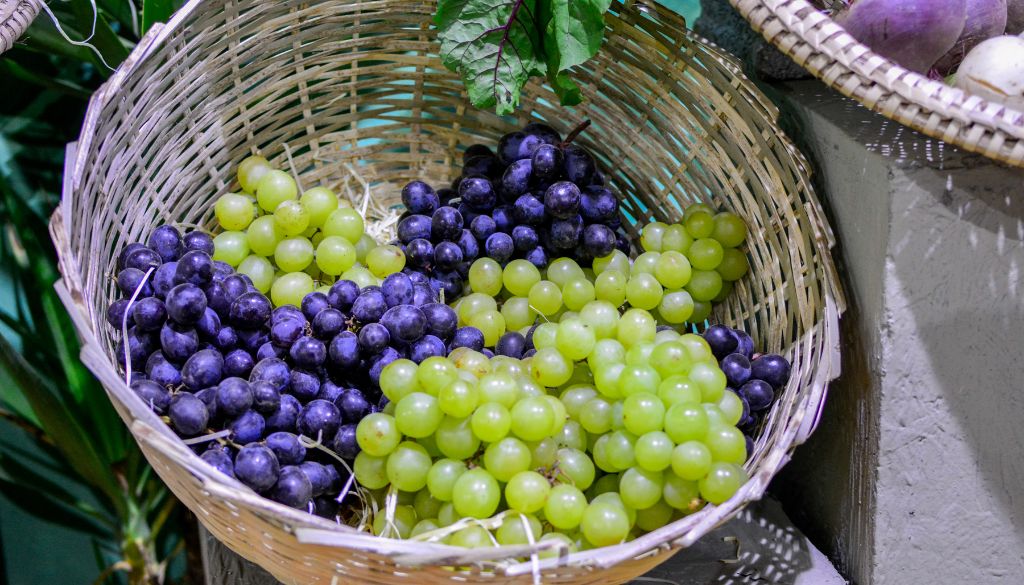
What's the difference between purple and green grapes? Let's decipher the riddle!
Purple and green grapes are two distinct varieties of the same fruit, but they have some important differences. From their taste and texture to their nutritional benefits, each type has its own distinct characteristics. So let's explore the differences between purple and green grapes together.
- Purple and green grapes are two different varieties of the same fruit.
- Each type of grape has unique characteristics, such as taste and texture.
- Purple and green grapes have significant nutritional benefits.
- Color variations in grapes are not limited to purple and green.
- Purple and green grapes can be used in a variety of ways in cooking.
Purple grapes: benefits and characteristics
In this section, we'll explore all the reasons why purple grapes are an excellent and healthy choice. From antioxidants to fiber, this fruit has a lot to offer for your health!
| Benefits of purple grapes | Characteristics of purple grapes |
|---|---|
|
|
And as if that weren't enough, purple grapes are also an excellent source of fiber and other important nutrients! With so many benefits, it's easy to understand why red grapes are one of our favorite fruits.
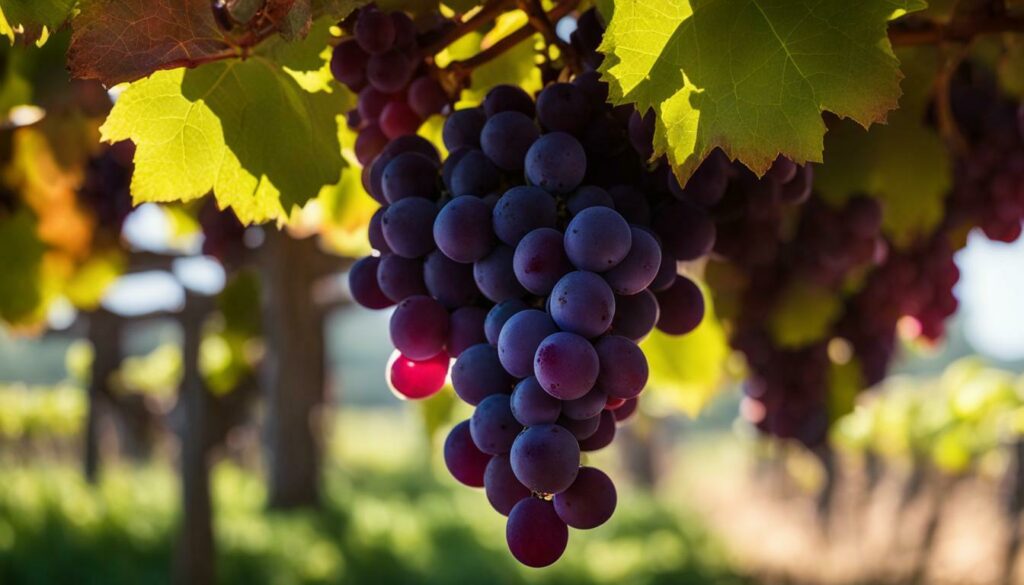
"Purple grapes really are an incredible fruit. Its antioxidants and nutrients are essential for our health and can even reduce the risk of certain diseases. What's more, its sweet, juicy flavor is a real treat!"
Green grapes: benefits and characteristics
We've already talked a bit about green grapes before, but now it's time to delve into their specific characteristics and benefits. The green grape, like its purple sister, is rich in antioxidants and important nutrients for our health.
Among benefits of green grapeswe can highlight:
- Source of fiber, which helps improve bowel function;
- Rich in vitamin C, which strengthens the immune system;
- Low in sugar, which makes it a great option for those looking for a healthy diet;
- It contains resveratrol, an antioxidant that has been linked to the prevention of heart disease and other inflammatory conditions.
In addition to these benefits green grapes is also known for its acidity and refreshing taste. It is often used in salad recipes, juices and desserts - as a delicious base for homemade ice cream, for example.
In terms of its characteristics, the green grape has a thin, translucent skin with crunchy, juicy flesh. They can be found in different sizes and shades, from light green to yellow-green.
So if you're looking for a tasty and nutritious fruit, be sure to include green grapes in your daily diet!
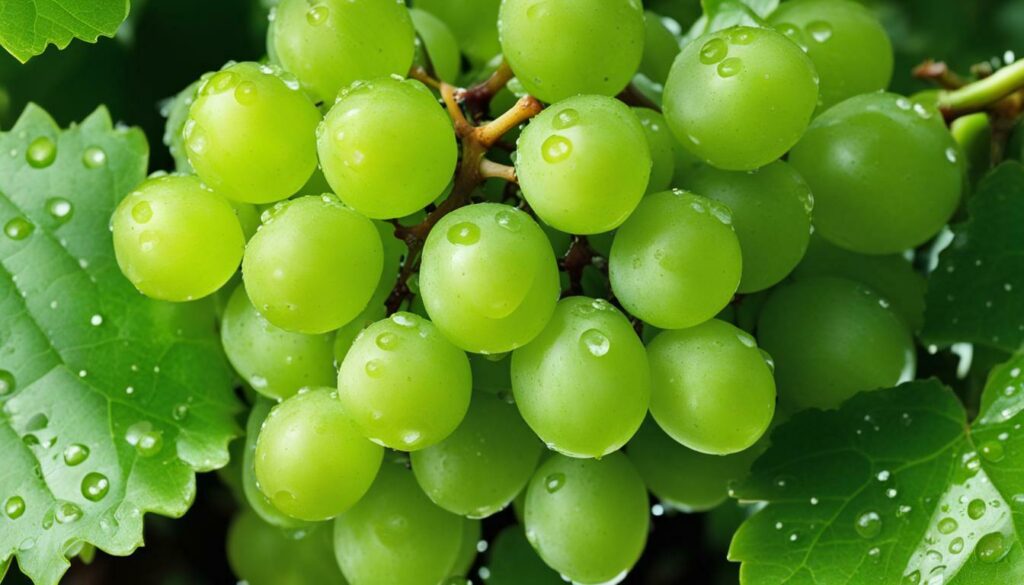
If you're a grape fan, you probably know that purple and green grapes have different flavors. But which of the two is sweeter? We'll tell you!
Purple grapes are generally sweeter than green grapes. This is because purple grapes have a higher concentration of natural sugars. However, green grapes have a more refreshing and acidic taste, which makes them a popular choice for those who prefer a more refreshing taste.
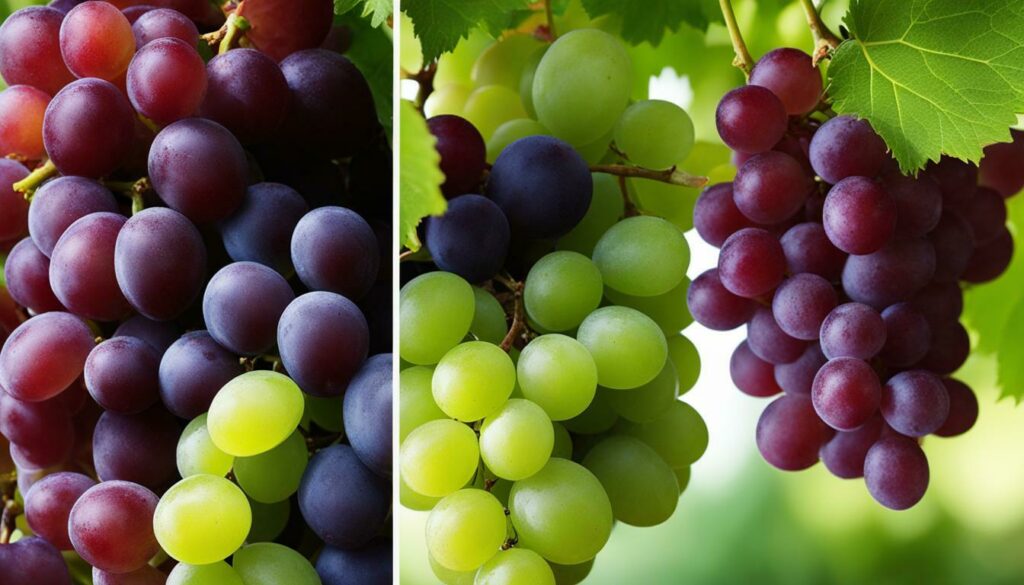
In addition to the sugar, purple and green grapes also have other flavor differences. Purple grapes have a softer, earthier flavor, while green grapes have a crunchier texture and a more citrusy taste.
Despite these differences, both grape varieties are delicious and nutritious. You can choose your favorite based on your personal taste or the properties you want to obtain.
Grape color variations
Did you know that there are many grape color variations as well as purple and green? Well, dear reader, grapes can have shades ranging from yellow to black, as well as pinks and reds.
These differences in color can be influenced by various factors, such as the species of grape, the region in which it is grown and even climatic conditions. In general, darker grapes tend to be richer in antioxidants and nutrients, but that doesn't mean that lighter varieties are less healthy.
One of the grapes best known for its color is the Thompson Seedlessalso known as white or light green grapes. But don't be fooled by the name, this grape can have a color that varies from yellowish-green to golden, depending on the stage of ripeness.
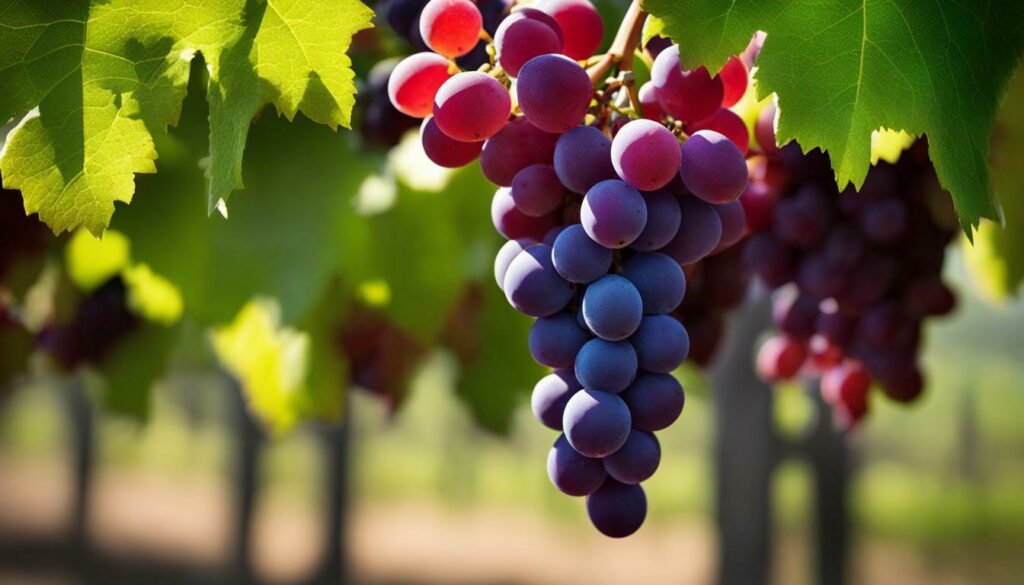
Another variety that can surprise with its color is the grape Crimson, which has a pinkish hue and is quite sweet. The Carbenet Franc is known for its dark purple color, which is close to black.
So, dear reader, if you're a grape lover, it's worth trying different varieties and colors. Each one has its own characteristics and health benefits, as well as providing different sensations for the palate.
Nutritional properties of purple grapes
Purple grapes are surprisingly rich in nutrients and compounds that are beneficial to health. It contains a variety of vitamins, such as vitamin C, which acts as a powerful antioxidant and helps prevent cardiovascular disease and fight free radicals.
In addition, purple grapes are an excellent source of resveratrol, a compound responsible for several benefits for the body, including reducing the risk of chronic diseases such as cancer and diabetes.
Regular consumption of purple grapes can also help improve the health of the cardiovascular system by reducing cholesterol levels and blood pressure. This is thanks to the presence of polyphenols in its composition, which act as powerful antioxidants and natural anti-inflammatories.
And it doesn't stop there! A purple grape is also rich in dietary fiber, which helps promote the health of the digestive system, as well as having anti-inflammatory and antibacterial properties.
"Purple grapes are an excellent source of resveratrol, a compound responsible for several benefits for the body, including reducing the risk of chronic diseases such as cancer and diabetes."
Finally, it's worth mentioning that red grapes are a great option for those looking for a healthy and tasty diet, as they can be eaten fresh, in juices and even in sophisticated culinary dishes. So don't hesitate to include red grapes in your daily diet!
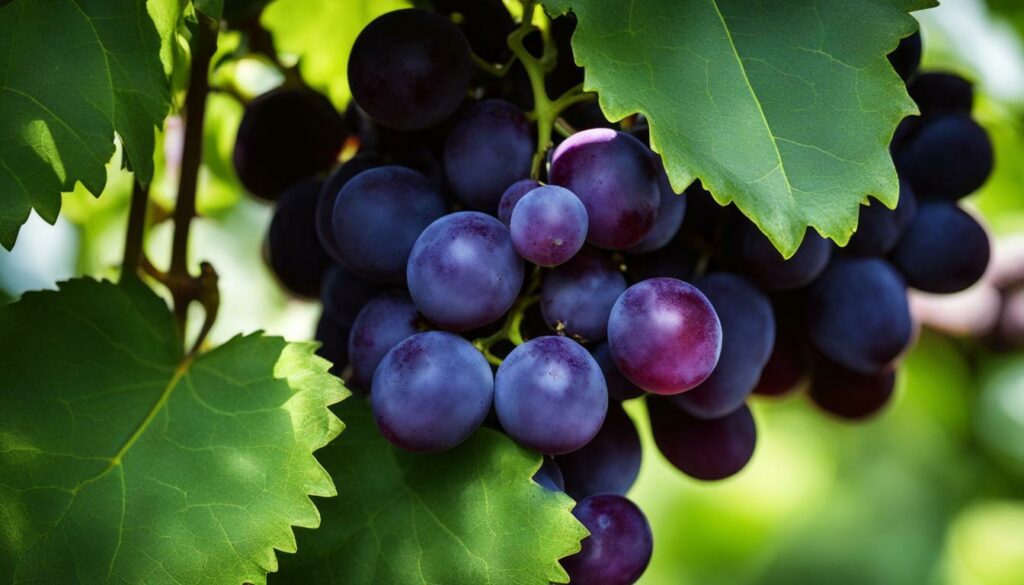
The green grape is a refreshing and juicy fruit with many important nutritional properties. It contains essential vitamins and minerals that help keep the body healthy and in balance.
One of the most important nutritional properties of green grapes is the presence of polyphenols, a type of antioxidant that helps neutralize free radicals in the body. This can help prevent cell damage and reduce the risk of various chronic diseases, including cancer and heart disease.
In addition, green grapes are a source of dietary fiber, which is important for digestive health. Fiber helps keep the intestines healthy, preventing constipation and other diseases related to the digestive system.
Green grapes also contain vitamin K, which is important for bone health and helps with the blood clotting process. In addition, it is a source of vitamin C, an important nutrient for immune health and the production of collagen, which keeps skin and connective tissues healthy.
Finally, green grapes are a source of healthy carbohydrates such as fructose and glucose, which provide energy for the body and help regulate blood sugar.
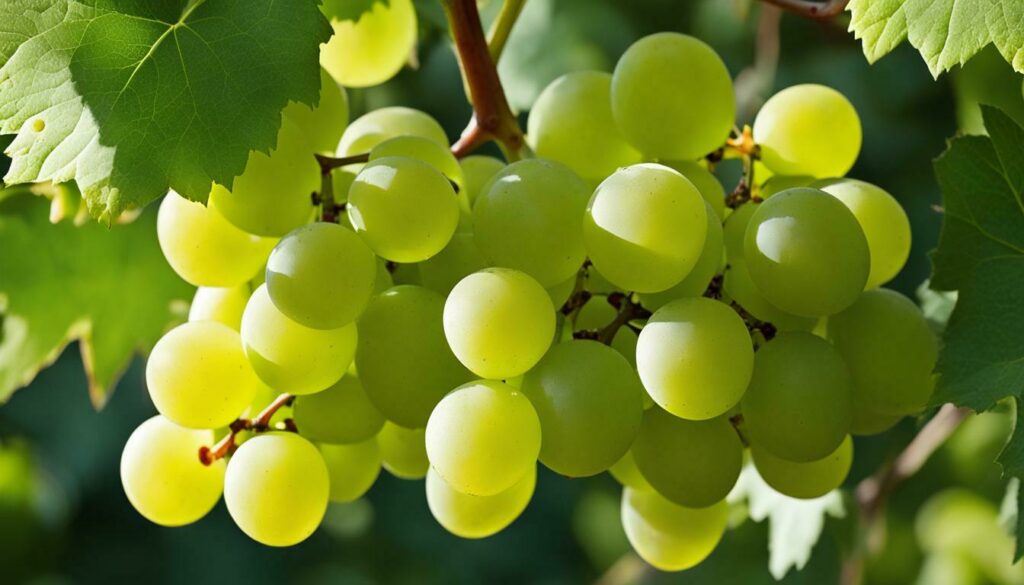
With so many important nutritional properties, it's easy to see why green grapes are such a healthy and delicious fruit. So the next time you're looking for a healthy and refreshing snack, don't forget the green grape!
Differences in cultivation and production
Now that we know the main characteristics of purple and green grapes, it's time to understand how they are grown and produced. And believe us, this part is just as important as the taste!
Purple and green grapes are grown in different regions and each requires specific care to grow healthily. Purple grapes prefer warmer, drier climates, while green grapes thrive better in milder, wetter climates.
Another important difference is that purple grapes are usually picked later than green grapes, which gives them more time to ripen. This means that purple grapes have a more intense and sweeter flavor.
| Purple grapes | Green grapes |
|---|---|
| They are harvested later | They are harvested earlier |
| Prefers warmer, drier climates | Grows best in milder, wetter climates |
| It has a more intense and sweet flavor | It has a softer, more refreshing taste |
In addition, the production and harvesting of purple and green grapes can also vary. For example, purple grapes are generally used to make red wines, while green grapes are more commonly used to make white and sparkling wines.
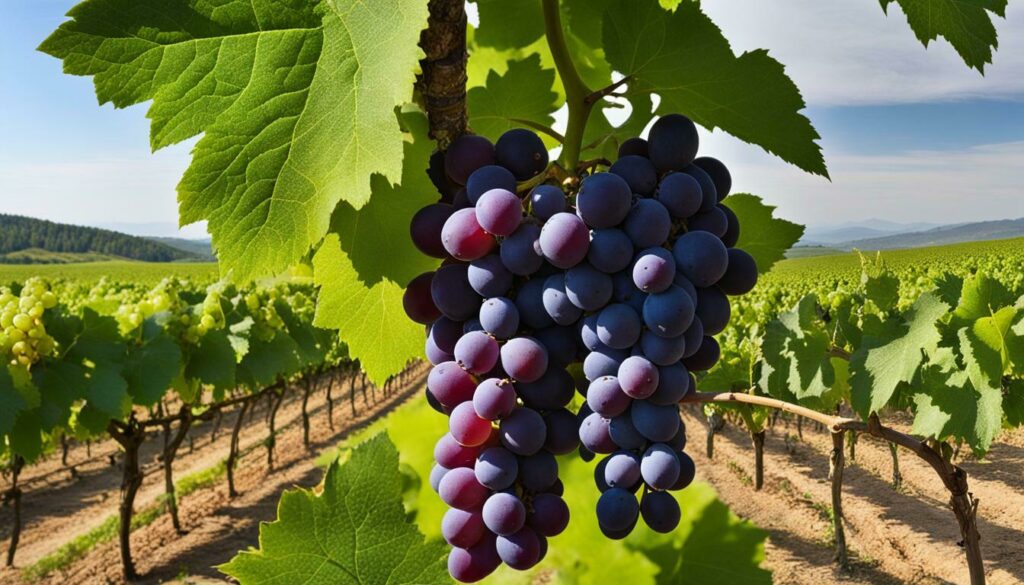
In short, purple and green grapes have significant differences in the way they are grown and produced. But one thing is certain: both are delicious and healthy!
Purple and green grapes: Use in cooking
Did you know that purple and green grapes are such versatile fruits that they can be used in a variety of culinary recipes? From savory side dishes to sweet desserts, these delicious fruits can add flavor and texture to a variety of dishes.
salads
Purple and green grapes can be a delicious ingredient in salads. The sweetness of the grapes combined with the salty flavor of the cheesesFeta and gorgonzola create a perfect blend of flavors. Add them to fruit salads for an unusual touch.
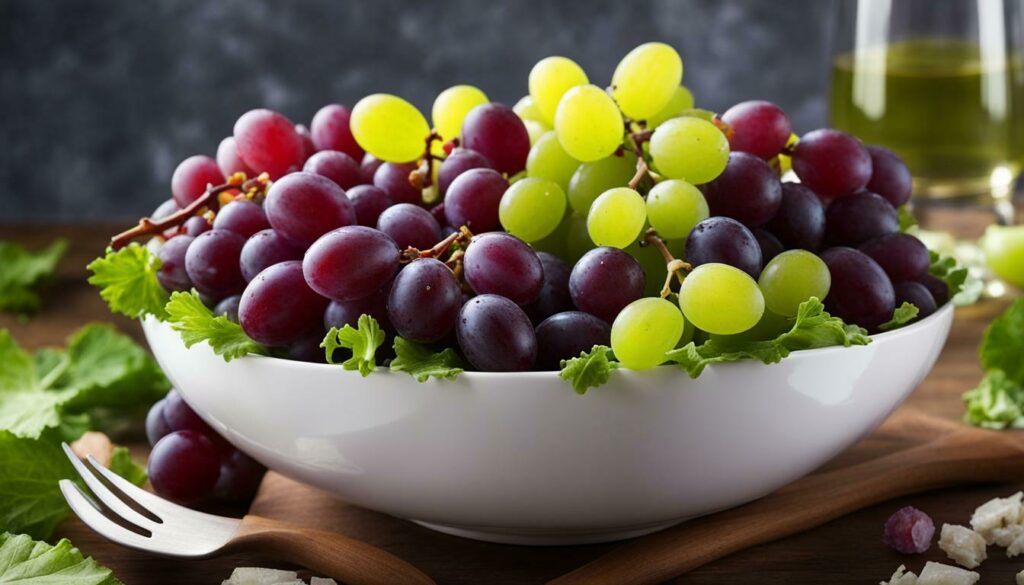
Grapes are a popular choice for desserts such as pies, cakes, pavés and mousses. Purple grapes add a sweet taste and vibrant color to delicious desserts, while green grapes are a refreshing choice in fruit salads and juices. Try adding grapes to desserts such as cheesecake or ice cream for a special touch.
Savory side dishes
Grapes are a delicious accompaniment to savory dishes. Try adding grapes to risotto or couscous for a touch of sweetness. They can also be used in recipes for salad dressings and meats, giving them a unique flavor.
Drinks and cocktails
Grapes are also great in drinks. Try adding green grapes to your favorite drinks, such as mojitos and margaritas, for a delicious burst of flavor. Purple grapes are also great in wines, juices and smoothies.
With so many delicious recipe options, it's easy to incorporate purple and green grapes into your cooking. So the next time you're preparing a meal or dessert, don't forget to include grapes in your culinary creations.
Conclusion
And so ends our journey to decipher the difference between purple and green grapes! We hope you've left with your mouth watering and your curiosity piqued about these delicious fruits. We know that now, more than ever, you'll want to try every possible variety of grape.
So which is your favorite? The sweet purple grape or the refreshing green grape? Whichever you choose, one thing's for sure: both offer significant nutritional benefits, as well as incredible flavor.
Purple or green grapes: the choice is yours!
So the next time you go to the supermarket, don't hesitate to add some grapes to your shopping list. And remember that these versatile fruits can be eaten in a variety of ways, from juices and salads to desserts and appetizers.
We at the editorial team hope you enjoyed our comprehensive guide to purple and green grapes. And keep following our content for more information on healthy and tasty food!
Common questions
What is the difference between purple and green grapes?
Purple and green grapes differ mainly in the color of the skin. Purple grapes have a dark, intense color, while green grapes have a light green skin.
What are the benefits of purple grapes?
Purple grapes are rich in antioxidants, such as resveratrol, which help with heart health and disease prevention. It also contains essential vitamins and minerals for the body.
And what are the benefits of green grapes?
Green grapes are an excellent source of fiber, which contributes to digestive health, and contain important nutrients such as vitamin C and potassium.
What is the difference in taste between purple and green grapes?
Purple grapes tend to be sweeter and juicier, while green grapes taste fresher and more acidic.
What are the variations in grape color?
As well as purple and green, grapes can also vary in shades of pink, red and even black.
What are the nutritional properties of purple grapes?
Purple grapes are rich in antioxidants such as resveratrol, as well as containing vitamins A, C and K, and minerals such as potassium and manganese.
And what are the nutritional properties of green grapes?
Green grapes are an excellent source of vitamin C, fiber and minerals such as potassium and calcium.
Is there a difference between growing and producing purple and green grapes?
Yes, purple and green grapes can have differences in the cultivation and production process. This can range from pruning techniques to the time of harvest.
How can purple and green grapes be used in cooking?
Both purple and green grapes are great for salads, juices, jams, desserts and even savory dishes, such as side dishes for meats or cheeses.

Verônica Ribeiro, the creative mind behind “Cozinha da Vê”, is passionate about flavors and aromas and transforms her passion for cooking into irresistible recipes. With a unique ability to combine ingredients and a special touch of affection in each dish, she conquers hearts and palates, making cooking a truly delicious experience on her blog.