





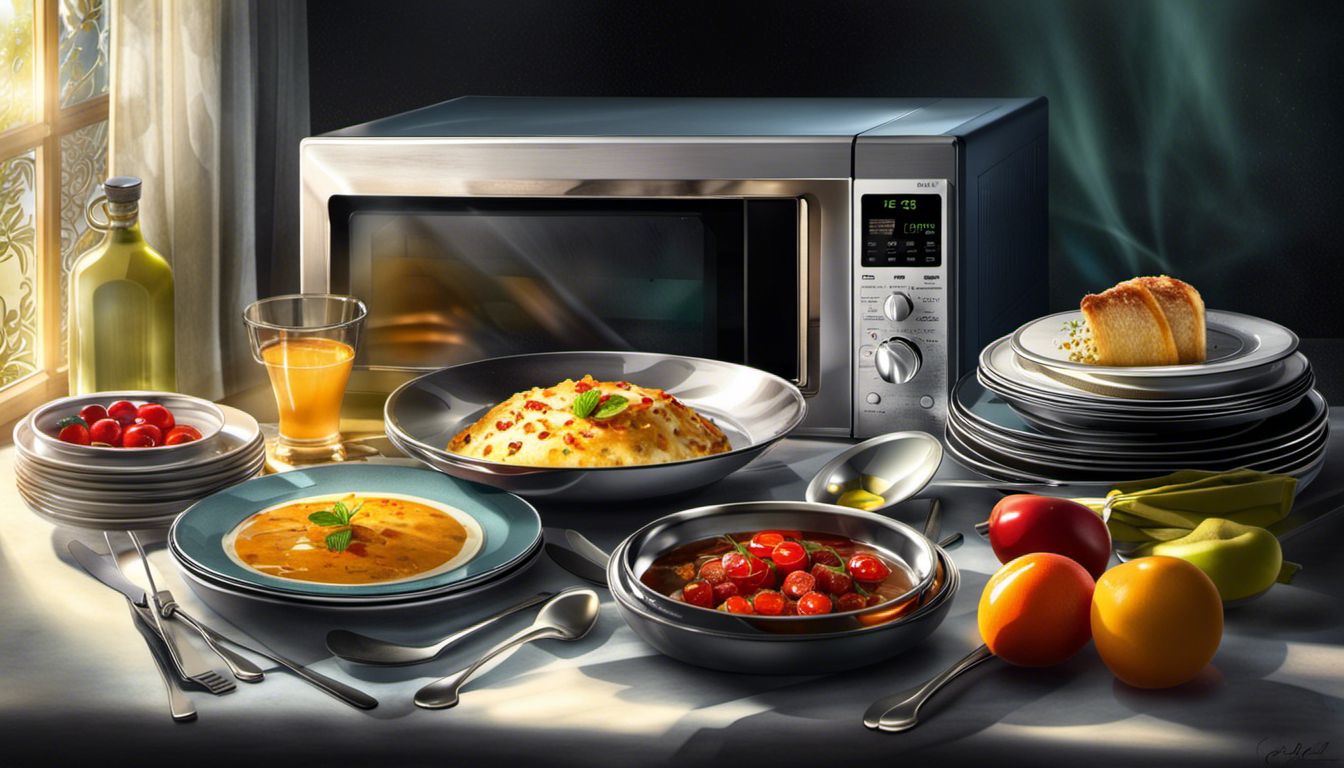
How to protect food from microwave radiation
Have you ever wondered if your food is safe from microwave radiation? Yeah, me too. Although there is no risk of radiation to the heating food in the microwave, it is important to know how to protect them.
In this article, I will share practical and effective tips as well as showing you how to protect food from microwave radiation. Let's go!
Main conclusions
- Food heated in the microwave may suffer loss of nutrients, but this can be minimized by limiting the heat exposure time and use the minimum required power.
- It's important avoid using plastics to heat food in the microwave, as they can release toxic substances. Glass or ceramic containers are safe and recommended.
- The microwave itself is safe and does not emit radiation harmful to food when used correctly. Taking certain precautions, such as using suitable containers and checking the sealing of the door, guarantees a healthy use of the appliance.
The danger of heating food in the microwave
The microwave radiation can lead to loss of nutrients, risks from heating plastic and impacts on health.
Loss of nutrients
Food heated in the microwave can suffer nutrient loss, although this is not a direct result of radiation. It is a common phenomenon in any cooking method that uses heat.
The extent of this loss depends on the duration of heating and the type of food. Some nutrients, such as vitamins C and B, are sensitive to heat and can be lost more easily.
To minimize this loss, a helpful tip is to limit the time of exposure to heat, using the minimum necessary power and adding the least amount of water possible. Thus, it is possible to maximize the nutrient retention when cooking in the microwave.
Risks when heating plastic
When heating plastic in the microwave, there is a risk of toxic substances be released into food. These substances are called phthalates and BPA, which can interfere with the hormonal system and cause damage to health.
Therefore, it is important to use heating containers in the microwave, such as glass or ceramic, which are safe and do not release harmful substances. Also avoid using plastic packages of food ready for heating in the microwave, choosing to transfer the food to a suitable container before heating.
health impact
Heating food in the microwave has no negative impact on our health. To the microwaves emitted by the device are safe and do not harm our body. There is no evidence that microwave radiation causes cancer or other health problems.
Therefore, you can use your microwave with peace of mind to cook and heat food without worrying about the effects on your health.
In addition, the Microwave use has other health benefits.. He is one practical device that reduces food preparation time, allowing for a quick and convenient meal.
Is microwave radiation safe?
– The radiation waves emitted by microwaves are safe and do not pose a health risk when used correctly.
Myths and truths about radiation waves
Microwave radiation is often surrounded by myths and misinterpreted truths. Here are some important clarifications:
- No radiation risk when heating food.
- Food do not absorb radiation emitted by the furnace.
- There is no evidence to prove that the radiation emitted is harmful to health.
- The radiation generated by microwaves does not cause damage to the environment.
How microwaves protect against radiation
The microwave has a safe structure which prevents radiation from escaping outside the device. Thus, when we turn on the microwave to heat food, the radiation waves are contained within the oven.
This means that food is not exposed directly to radiation, which ensures that heating process safety. Therefore, we can use the microwave without worrying about possible radiation effects in food.
Ensuring that it does not affect health
It is important to take certain precautions when using this equipment to ensure that it does not affect our health. Here are some tips to protect your health when cooking in the microwave:
- Check that the door seal is in good condition to avoid radiation leakage.
- Use safe and suitable containers to heat food, avoiding plastics that can release harmful chemicals when heated.
- Avoid using cardboard or styrofoam packaging, as they may cause fires or melt in the microwave.
- Do not put foods in shellas eggs or potatoes, directly in the microwave, as this can cause explosions (although you can pierce potatoes and eggs so that they do not explode).
- Be sure to follow the equipment manufacturer's instructions to avoid overheating or damage to the device.
- When heating liquids such as soups or drinks, use tall containers and always place a spoon inside the container to avoid overheating and splashing.
- Avoid reheating food multiple times, as this can lead to loss of nutrients and flavor.
Care when using the microwave
Heat liquids safely and use suitable containers to avoid risks. Read on to learn how to protect your food from radiation.
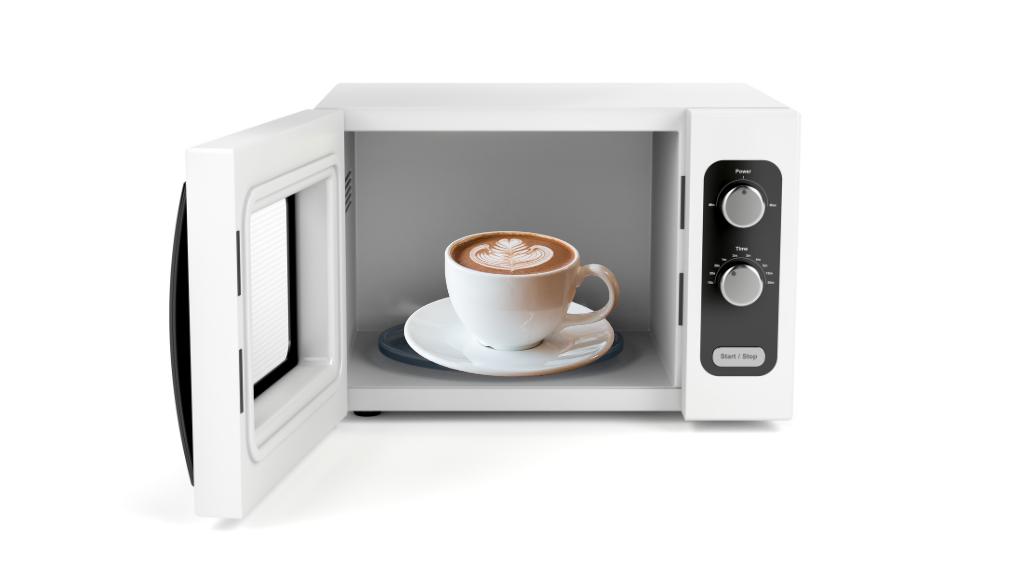
Heating liquids safely
To heat liquids safely in the microwave, follow these tips:
- Use microwave-safe containerssuch as glass cups or bowls.
- Ensure that the container is sanitized and crack-free.
- Cover the container with a lid or paper towel to avoid splashes.
- Heat the liquids in short intervals, stirring between each heating.
- Do not heat liquids for a long time as they may boil and cause explosions.
- Take care when removing the container from the microwave, as the liquid may be very hot.
Using safe containers for heating
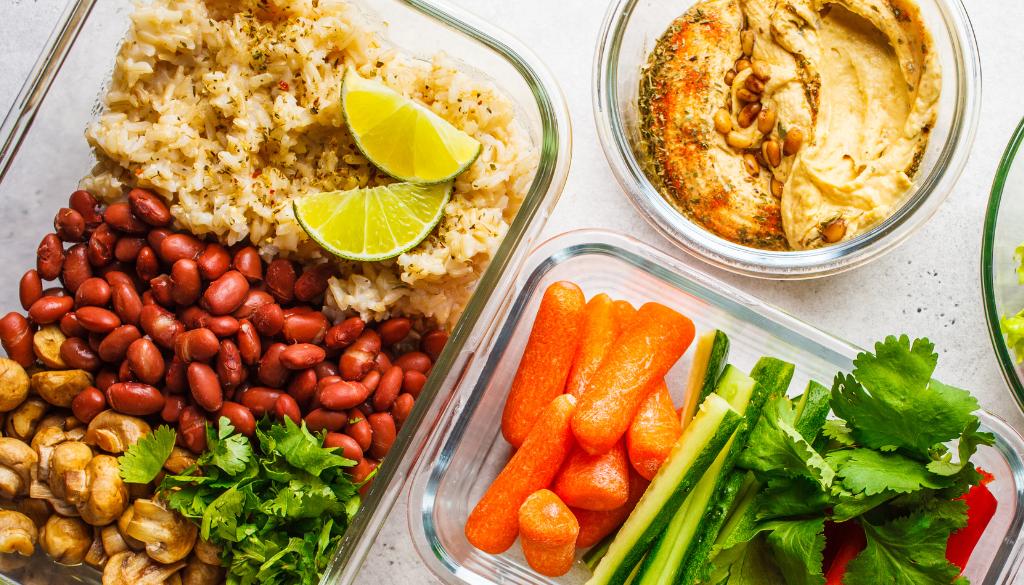
To protect food from microwave radiation, it is important to use safe heating containers. Here are some tips:
- Opt for containers of glass or ceramic, as they are safe materials and do not release chemicals when heated.
- Avoid using plastic to heat food, as some plastics can release toxic substances when exposed to heat.
- Check that the containers used are labeled as “suitable for microwave use” or “BPA free”
- Avoid using metal containers as they can cause sparks. in the equipment and damage both the appliance and the container.
- Make sure the containers are clean and free of any film or dirt before placing them in the microwave.
Conclusion
In conclusion, it is important to understand that there is no radiation risk when heating food in the microwave. However, we must take be careful when using plastics, as they can release harmful substances.
It is essential to use safe heating containers such as glass. In addition, the adequate heating time and the use of a protective cover.
The microwave is a practical and efficient device, as long as it is used correctly.
I hope you have enjoyed this article and that it has been helpful in clearing up your doubts.
Common questions
What are the best ways to protect food from microwave radiation?
To protect food from microwave radiation, you can use microwave-safe containers such as glass or ceramic, cover food with a lid or clear plastic film specially designed for microwave use, and avoid using metal or aluminum foil containers.
Is it safe to use aluminum foil in the microwave?
It is not safe to use aluminum foil in the microwave, as it can cause sparks and even fires due to the way it reflects microwave waves. It's best to use microwave-safe containers or heat-resistant waxed paper.
Why is it important to cover food when heating in the microwave?
Covering food as you heat it in the microwave helps retain moisture and prevents splattering inside the oven. In addition, this also helps to prevent harmful substances present in plastic films or lids from coming into contact with food.
Are there any foods that should not be heated in the microwave?
Yes, some foods may not be suitable for microwave heating. These include eggs in their shell, whole citrus fruits, and thinly sliced bell peppers. These foods can explode or cause overheating in the microwave. Always check the manufacturer's heating instructions before using the microwave.

Verônica Ribeiro, the creative mind behind “Cozinha da Vê”, is passionate about flavors and aromas and transforms her passion for cooking into irresistible recipes. With a unique ability to combine ingredients and a special touch of affection in each dish, she conquers hearts and palates, making cooking a truly delicious experience on her blog.